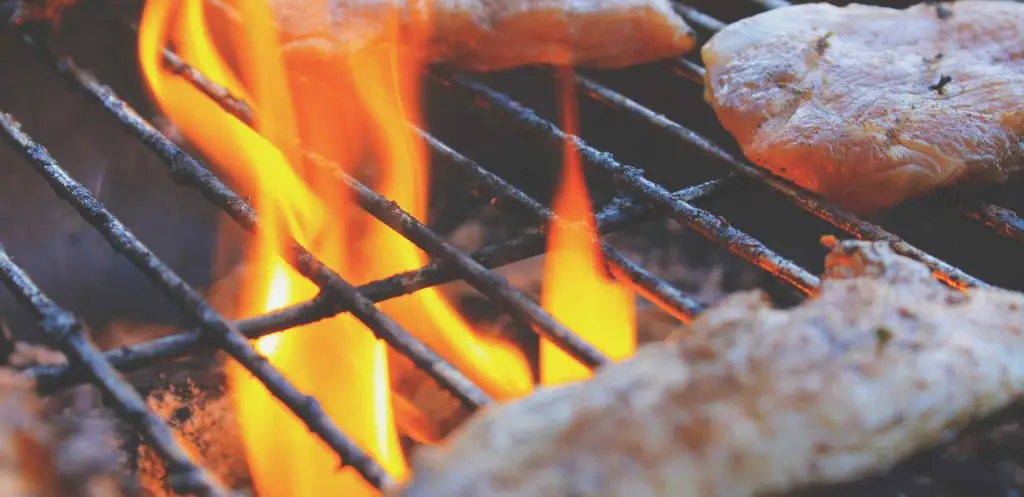
Grilled flank steak: How long should it be grilled for?
Bavette is a delicious cut of meat that’s perfect for the barbecue. However, this juicy and flavourful meat needs to be cooked properly to achieve the best results. If you’re wondering, “How long should bavette be cooked on the barbecue?”, then you’ve come to the right place. In this article, we’ll explain step by step how to cook bavette on the barbecue, including the required cooking times and temperatures.
What is bavette?
Before we look at how to cook bavette on the barbecue, let’s first clarify exactly what bavette is. Bavette is a cut of beef that comes from the flank of the cow. It is also known as ‘vinkenlap’ or ‘flap meat’. Bavette has a coarse grain and a distinctive flavour. Due to its intense flavour and juiciness, it is very popular with barbecue enthusiasts.
How to prepare bavette for the barbecue
Before placing the bavette on the barbecue, it is important to prepare the meat properly. You can marinate or season the bavette to enhance the flavour. A marinade can help to tenderise the meat and give it extra flavour. You can experiment with different marinades, such as a mixture of olive oil, garlic, lemon juice and your choice of spices. Make sure to leave the bavette to marinate for at least a few hours so that the flavours can really soak in.
It is also important to leave the bavette to rest at room temperature before grilling. Take the meat out of the fridge about 30 minutes before grilling so that it cooks more evenly on the barbecue.
Cooking techniques for barbecuing
There are various grilling techniques you can use for bavette. The two most common methods are direct and indirect grilling.
When grilling directly, place the bavette directly over the heat source, so that the heat is transferred directly to the meat. This is a quicker method and ensures a lovely brown crust on the outside of the bavette.
When grilling indirectly, place the bavette at the side of the barbecue, away from the direct heat source. This allows the meat to cook more slowly and evenly. This method is ideal if you have a thicker bavette or prefer a longer cooking time.
Preheat the barbecue
Before you start preparing the bavette, it is important to preheat the barbecue thoroughly. This ensures the heat is distributed evenly and the bavette cooks through nicely.
For direct grilling, preheat the barbecue to a temperature of around 200–220 °C. This will give the bavette a lovely brown crust on the outside, whilst keeping the meat juicy on the inside.
For indirect grilling, you can maintain a lower temperature of around 150–180 °C. This ensures slower cooking and makes the meat more tender.
Cooking times and temperatures for bavette on the barbecue
The cooking time for bavette on the barbecue can vary depending on the thickness of the meat and how well done you want it. Here are some guidelines on cooking times and core temperatures:
- Medium-rare: 2–3 minutes per side, core temperature of approx. 55–57 °C.
- Medium heat: 3–4 minutes per side, core temperature of approx. 60–63 °C.
- Well done: 5–6 minutes per side, core temperature of approx. 68–71 °C.
Please note that these are merely guidelines and the exact cooking time may vary. Always use a meat thermometer to check the core temperature of the bavette and ensure that it reaches the recommended minimum temperatures.
Grilling bavette
Now that you’ve prepared the bavette properly and the barbecue is preheated, it’s time to start grilling.
Direct grilling
- Place the marinated bavette directly over the heat source on the barbecue.
- Grill the bavette for the recommended cooking time on each side.
- Turn the meat only once so that it browns nicely.
- Use meat tongs or a spatula to handle and turn the flank steak carefully.
- Take the flank steak off the barbecue and let the meat rest for about 5–10 minutes before carving it.
Indirect grilling
- Place the flank steak at the edge of the barbecue, away from the direct heat source.
- Close the lid of the barbecue to trap the heat and ensure the meat cooks evenly.
- Leave the flank steak to cook over indirect heat for the recommended cooking time.
- Turn the meat halfway through the cooking time to ensure it cooks evenly.
- Take the flank steak off the barbecue and let the meat rest before carving it.
Trimming and cutting up Bavette
After grilling, it is important to let the bavette rest for a short while before carving it. This allows the juices to redistribute within the meat, making it more tender and juicy.
Leave the flank steak to rest on a chopping board for about 5–10 minutes, loosely covered with aluminium foil. This will also give you time to set the table or finish preparing the side dishes.
Once the bavette has rested sufficiently, you can slice the meat thinly across the grain. This helps to keep it tender. Serve the sliced bavette straight away and enjoy its delicious flavour.
Serving suggestions for Bavette
Bavette is a versatile cut of meat that goes well with a variety of flavours and side dishes. Here are a few suggestions to round off your bavette dish:
- Serve the bavette with chimichurri sauce for a deliciously tangy flavour.
- Serve with grilled vegetables such as peppers, courgettes and mushrooms.
- Serve the bavette with a fresh salad and crispy baguette.
- Serve the bavette with fried potatoes or mashed potatoes.
- Try out different flavour combinations and sauces to give your BBQ bavette your own personal touch.
Conclusion
Grilling bavette is a brilliant way to enjoy this flavourful cut of meat. If you prepare the bavette properly, use the right grilling techniques and keep an eye on the cooking times and temperatures, you can serve up a delicious meal.
Enjoy the juicy and flavourful bavette, grilled to perfection to your preferred level of doneness. Try out different marinades and serving suggestions to enhance your barbecuing experience even further. Have fun barbecuing!
Frequently asked questions about grilling bavette
For best results, we recommend marinating the bavette for at least a few hours. You can also leave the meat to marinate overnight so that the flavours can infuse even better.
Yes, a gas barbecue is ideal for grilling bavette. Make sure to set the correct temperature according to the recommended guidelines.
For bavette cooked medium-rare, a core temperature of around 55–57 °C is recommended. Always use a meat thermometer to check the temperature.
You can achieve a smoky flavour by placing wood chips in a parcel of aluminium foil and placing this next to the bavette on the grill. The smoke from the wood gives the meat a delicious flavour.
Absolutely! Bavette is versatile and is also suitable for other cooking methods such as stir-frying, roasting or braising. Try out different recipes and discover new flavour combinations.